Dynamic Checkout - An Overlooked Area that Could be a Conversion Rate Maximizer for Shopify Operators in 2025
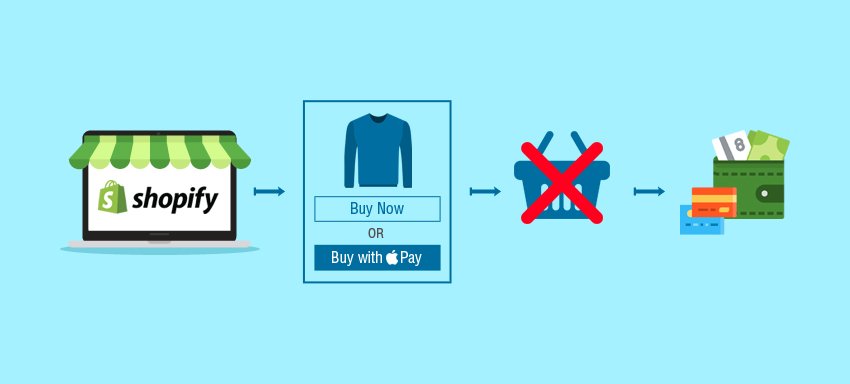
Via: 2-b.io
By Ali Hussain
When it comes to eCommerce, customer segmentation tends to be focused on the email and text systems embedded in most Customer Relationship Management (CRM) software. One area that has only recently been discussed for customer segmentation is in the checkout page or checkout block (depending on the store’s design). This has been a point of contention for many Shopify operators due to the fact that the most vital part of their funnel, the checkout page, has had limited customization capabilities.
Until 2022, most Shopify stores were locked out from advanced checkout page customization and only till 2024 were more advanced features like product bundles and stackable discounts, upsells, offers and loyalty programs were added to the default Shopify checkout options.
Previously, operators would have to add dozens of plugins for basic features such as these although getting separate applications to “speak” to each other and work with each other was often a frustrating affair and often required custom coding by a professional. While Shopify has promised further checkout page upgrades and customization features, there are some emerging solutions like Dynamic Checkout Blocks.
What Are Dynamic Checkout Blocks?
Dynamic checkout blocks are becoming an essential innovation for e-commerce businesses, particularly Shopify store owners, looking to enhance their checkout experience, boost conversions, and increase customer lifetime value. These modular content elements empower merchants to tailor checkout pages in ways that resonate personally with different customer segments, making the final purchase step more engaging, informative, and effective. Upsells, cross-sells, payment options can all be tailored in real-time to that specific lead or customer, reducing friction.
Using the Checkout Blocks app merchants can also show, or hide content for different segments, such as VIPs, new, vs. returning customers, or based on traffic source, entirely through a no-code interface. You could theoretically offer a completely different experience for new landing page leads vs. a returning customer who is coming back for the 8th product purchase. Normally, such segmentation was limited to dynamic product blocks in email, text or non-checkout page sections and all traffic would flow to a single checkout page.
Benefits to E-commerce Stores
By incorporating dynamic blocks, businesses create a more relevant and personalized checkout process. Customers see messages and offers tailored to their attributes or behaviors—whether they are first-time buyers, returning customers, or belong to a VIP segment—which can increase trust and reduce cart abandonment. Instead of creating separate websites for each source of traffic: (email, text, separate landing pages, separate geographical locations) a single checkout page that taps into an existing CRM database can be setup allowing for careful segmenting of all traffic and creating dynamic (changing) designs catering to that individual’s needs and requirements for purchase.
The ability to increase AOV based on relevant content specific to an individual’s purchase history within the checkout box is now possible without flooding a user with products that are not relevant to them. Longtime customers with a high purchase history should be provided minimal friction or “education” at the checkout page and be shown only a few minor upsells or bundles relevant to their history and desires, while new customers should be provided things such as reviews, lifestyle imagery and other pertinent details so they can make their first purchase.
Dynamic upsells and targeted promotions displayed right at checkout nudge customers toward adding extra products or upgrading their purchase. This timely presentation of offers in the final buying moment can significantly raise revenue without disrupting the user experience.
Streamlined Data Collection and Enhanced Service
Custom fields in checkout blocks allow merchants to gather essential information like delivery instructions, gift messages, or preferred delivery dates directly from customers. This added layer of communication improves operational accuracy and customer satisfaction.
Now Available for Everyone
While some advanced features cater to Shopify Plus users, many dynamic block capabilities are now available on all Shopify plans. Thus, small and medium businesses can also benefit from enhanced checkout customization previously reserved for enterprise levels. The Checkout Blocks app is one app that gives you segmentation features for different customer cohorts in the Shopify Checkout section.
Checkout Blocks Give you an Edge
Shopify’s Checkout Blocks app (and others like it) puts extensive checkout customization tools in merchant hands. Its features include address blocking, custom discounts, dynamic content display, payment, delivery option customization, and other advanced segmentation options.
In summary, dynamic checkout blocks transform the checkout page from a static endpoint into an engaging, adaptive part of the shopping journey. For Shopify stores, leveraging these tools means reducing friction, increasing sales, and building stronger customer relationships—all with minimal technical hassle and CRM modification .
Merchants seeking competitive advantage in today’s e-commerce landscape should consider harnessing dynamic checkout blocks as a vital part of customer experience and revenue growth strategies.
From landing page, product page, email, text and now checkout page, you can craft customized journeys for each and every customer profile maximizing AOV and reducing friction from your best customers.
Sources:
https://web.skypilotapp.com/blogs/wiki/maximizing-your-shopify-success-with-checkout-blocks